
Rural Crime
Rural Crime
Rural crime refers to any crime committed in a rural location, or where the victim is specifically targeted because of their involvement in the rural community, rural economy, or countryside environment.
Rural crime often goes unreported, but it can have a significant impact on local communities, farming businesses, insurance premiums, food prices, and residents’ sense of safety and wellbeing.
Essex is around 72% rural, meaning these issues affect a large portion of the county.
Why Rural Crime Matters
Rural crimes have a broader impact than the immediate offence. They can:
- Disrupt rural businesses and livelihoods
- Lead to financial hardship due to insurance losses
- Affect food supply chains and costs
- Damage trust and wellbeing in isolated communities
Common Types of Rural Crime
Rural crime can take many forms. In Essex, the most common issues include:
Agricultural and Equipment Theft
Theft of large machinery, vehicles, fuel and tools can cause severe financial loss.
Wildlife, Livestock and Animal Offences
Offences include illegal hunting, livestock worrying and harm to wildlife, poaching, and offences against protected species.
Hare Coursing
Hare coursing damages crops, threatens animals and wildlife, and brings organised criminal groups into rural areas.
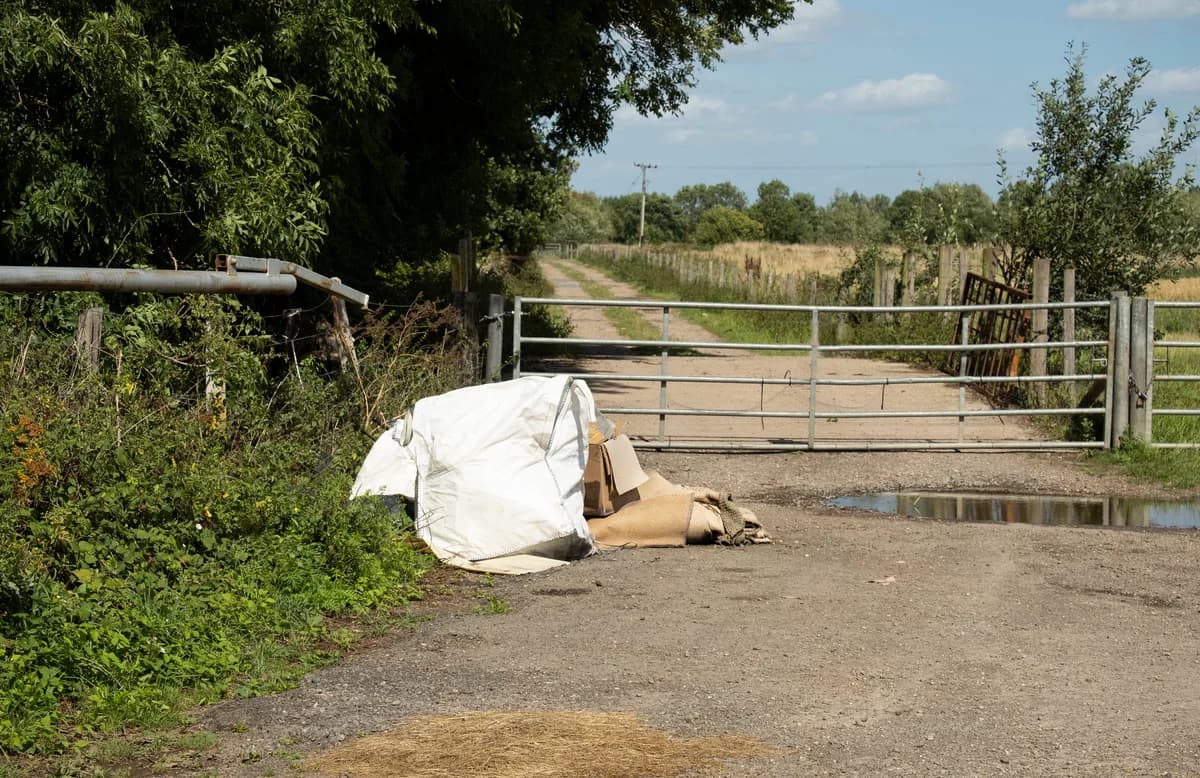
Flytipping, Unauthorised Encampments and Environmental Damage
Dumping of waste and environmental vandalism negatively impacts landowners and natural habitats.
Burglaries and Theft from Outbuildings
These affect farms, stables, sheds, workshops, and isolated homes.